
You Were Close as Children. You Aren’t Anymore.
A fight at nine at night was finished by breakfast because both girls needed the same bathroom at seven, and none of those conditions exist now. What's left is whatever the two of them do on purpose, which is why the photographs from 1994 come out whenever contact stops, and why they can't say anything about what a phone call in March is like.

When Your Daughter Calls You a Narcissist
A mother who hears that her daughter has called her a narcissist can find plenty of reasons the label is wrong, and she might be right about the label. Her daughter's decision rests on specific complaints, and those are what a mother can respond to.

Deciding About Children After You Leave
Estrangement from your mother changes how you think about having a baby, and it raises two questions that keep getting answered as one. Whether you want to be a mother is the first. What your mother gets if you become one is the second, and you can answer them separately.

You Can Keep the Cousins
Being estranged from your mother doesn't take the rest of them with it, though it takes more of them than anybody warns you about. Who stays isn't random, it isn't a measure of who loved you most. You can predict most of it by how often somebody sits across a table from your mother.

Sisters Who Grew Up in Different Houses
Two women can share a father and have almost nothing in common in their memories of him. One lived with him, the other saw him every other weekend, or they met at 30 because a second marriage put two sets of grown children at the same table. Most of what makes two people close gets built during unremarkable time in the same house, and half-sisters who met at Christmas have none of that behind them.

More Siblings Doesn’t Always Mean More Sibling Support
Five siblings sounds like help, and people hear the number and do the math right there in front of you, six adults, so the appointments split six ways. One of them takes the first one because she lives 20 minutes from the clinic, she takes the follow-up because she heard what the doctor said, and by the third nobody's dividing anything up. Counting your siblings one at a time gets you further than counting how many there are.

It's Easier to Stay Angry Than to Say You Miss Her
Anger is the easier sentence. Tell a friend you're furious with your sister and she follows you without needing anything else. Tell her you miss your sister and the question arrives inside a minute, and it amounts to why don't you call her.

The Word the Internet Gave You for Your Mother
A daughter goes looking for why her mother behaves the way she does, and inside an hour she has a word for it, and the word covers all of it. What she watched is hers to report. What's wrong with her mother is the part she can't get to, and the difference decides how the rest of the family talks about her.

You and Your Sister Keep Falling Out and Reconnecting
You and your sister have stopped speaking before. A fight happens, one of you stops answering, and eventually somebody sends a message and you start talking again without going near the original problem. Then the same issue comes back through a different argument, with years of old material attached to it.

Your Sister Sided With Your Ex
When your marriage ends and your sister stays close to your ex, people are quick to tell you she's allowed her own relationship with him. She is, and it doesn't answer the question you're actually asking. What is she doing with what she knows about you?

You're Not Behind, You're Early
Six months out, you can explain why you left and still think of yourself as a daughter who couldn't do the job. Then you read a woman four years out who calls her closest friends her family and sounds comfortable saying it. You're comparing your first six months with somebody else's four years, using what she's chosen to tell you.
Abuse Doesn't Require Violence to Be Abuse
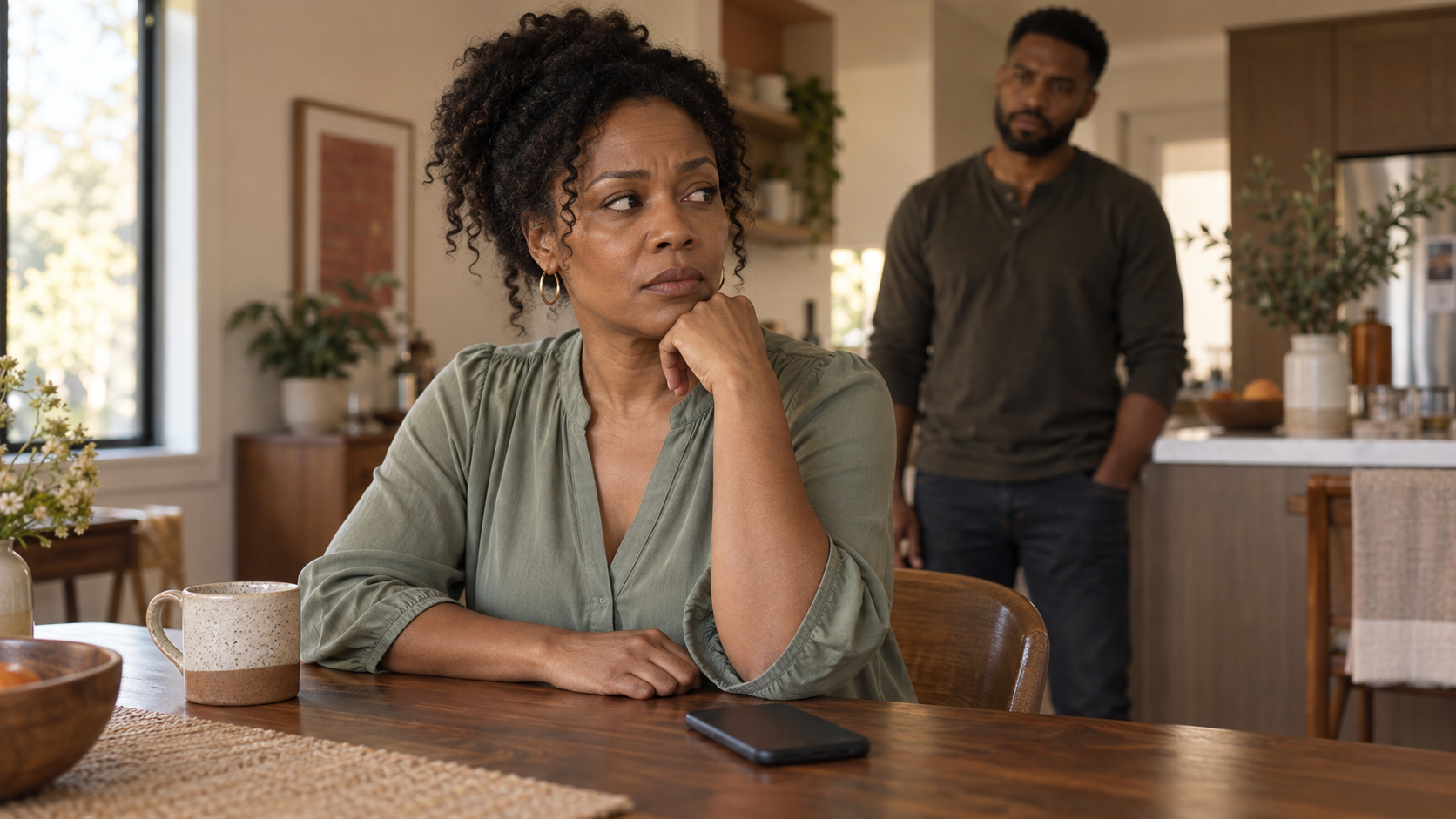
A relationship can be abusive without a single incident in it, and that's part of why it takes so long to name. Every example sounds small on its own, the eleven phone calls, the twelve dollars you had to explain, so you stop trying to explain it to anyone.

Will My Daughter Do This to Me?
If you’re estranged from your own mother, you may wonder whether your daughter will one day do the same to you. Family estrangement patterns can repeat, but they aren’t inevitable. What often passes from one generation to the next is how a family handles conflict, apologies, boundaries, and repair, and those are patterns you can begin changing now.

You Were Sisters. You Were Never Close.
People ask what happened, and they want a fight, a betrayal, some incident that explains two years of not speaking. Sometimes there isn't one, you and your sister lived in the same house for eighteen years and never became friends, and nothing much changed when the calls stopped because there weren't many calls.

Your Mother Taught You How to Be Sisters
Two sisters can spend forty years believing they just never got along. Some of what each of them believes about the other started with their mother, in a house where one girl was the responsible one and the other was difficult, and neither of them was old enough to ask whether that was true.

When Somebody Else's Mother Becomes Yours
A woman at work fifteen years older than you starts asking how your weekend was, and after a while you realize she remembers what you told her. She keeps calling, she keeps inviting you over, and you spend the first year or two waiting to find out what she wants from you.

The Will, the Money, and the Phone Call That Comes Anyway
Estrangement stays a private matter for a while, and then money brings other people into it, at points anyone could predict, when somebody gets sick, when somebody dies, when a form needs a signature. Relatives raise the will first and they raise it with everybody, a mother hears that changing it will send a message, a daughter hears what her mother has done at a funeral or through an aunt, and neither piece of advice comes with the part where a document produces a conversation, because it doesn't.

Your Sister Didn’t Cut You Off. You Both Stopped Trying.
There was no final argument, nobody sent the message explaining why it was over, you just started talking less and then the time between conversations got long enough that whoever called first would have been making a statement by calling. Plenty of sisters end up here, no falling out, no last straw, both of you doing a little less every year until there's almost nothing left to keep.
The title carries the primary keyword in front and the emotional hook behind it, which should hold up in a Pinterest overlay as well as in search. The slug drops "you both stopped trying" on purpose, since the searcher's language is closer to "sibling estrangement no fight" than to the framing of the piece.

They Think You Got This From TikTok
Your aunt says therapy makes people selfish, your brother says everybody's a narcissist now, and somebody says nobody in this family ever went around cutting people off, as though the absence of a word for something in 1974 proves it wasn't happening in 1974. None of them has ever asked what happened, not one, and that's the part to notice, because they have an explanation for you that requires no information at all about your mother.

But Most People Reconcile
Most people who become estranged from a family member eventually resume some form of contact. That statistic is real, but it doesn’t tell you whether the relationship was repaired, whether anything changed, or whether contact lasted. Reconciliation can mean everything from a rebuilt relationship to two brief phone calls a year, and neither outcome can decide what makes sense for you.
Thoughts on estrangement, relationships, and emotional survival.
Join the newsletter for updates and new posts.