
They'll Tell You She Got It From the Internet
Your sister sends you the article, the one explaining that estrangement is up because young people are on their phones learning words like narcissist and boundaries and toxic, and it's the first thing anyone has handed you in three years that doesn't seem to think you're the problem. That relief is the reason to be careful with it, because an explanation that puts the cause of this outside your house is going to feel better than any other explanation available, and feeling better is not the same as getting your daughter back.
Can She Get Court-Ordered Time With My Children?
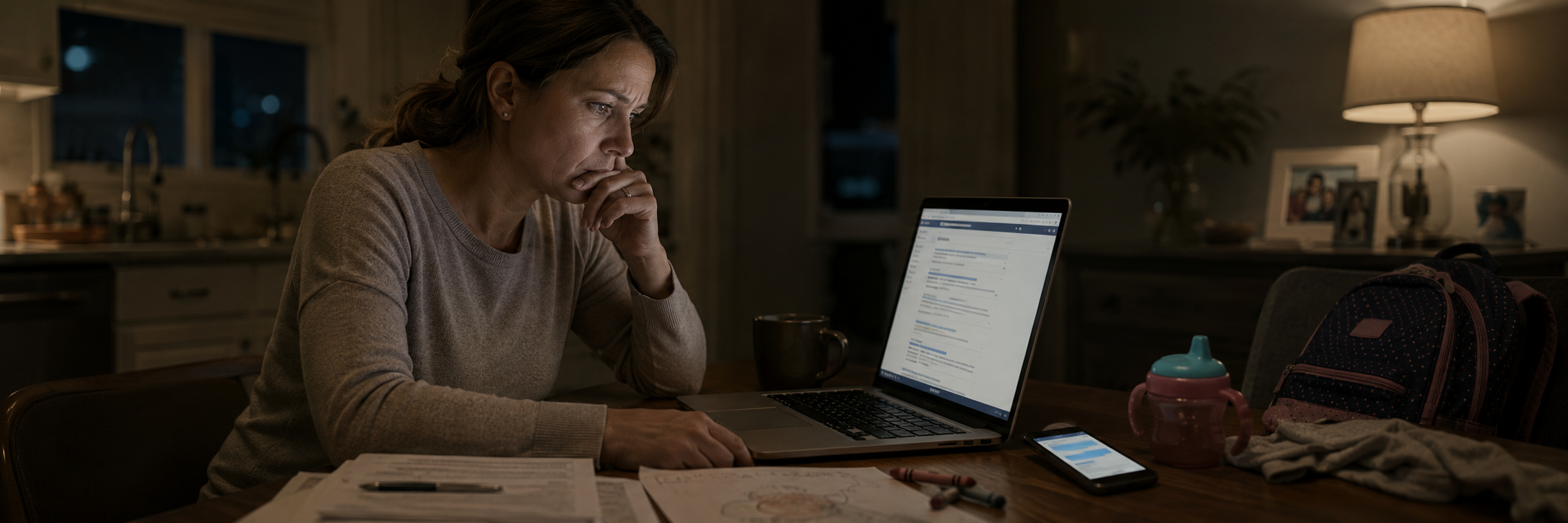
The threat comes at the end of a phone call or in the third paragraph of a long email, some form of grandparents have rights, I've spoken to someone, you can't keep them from me. Then it's one in the morning and she's searching phrases she never expected to search, and what comes back is an attorney's landing page or a message board post from 2011, and none of it answers the question she actually has, which is whether a judge can make her hand her children to the woman she spent four years getting away from.

The Reminders Don't Stop Because You Did
A woman nine years out finds the teapot on the top shelf where she put it so she'd stop seeing it, and she stands in her own kitchen at four in the afternoon feeling something she thought she was done feeling in 2019. That happens to women who are certain about the decision, who wouldn't go back, who have built good lives since. It isn't a sign that anything is unfinished.
You Still Look Her Up
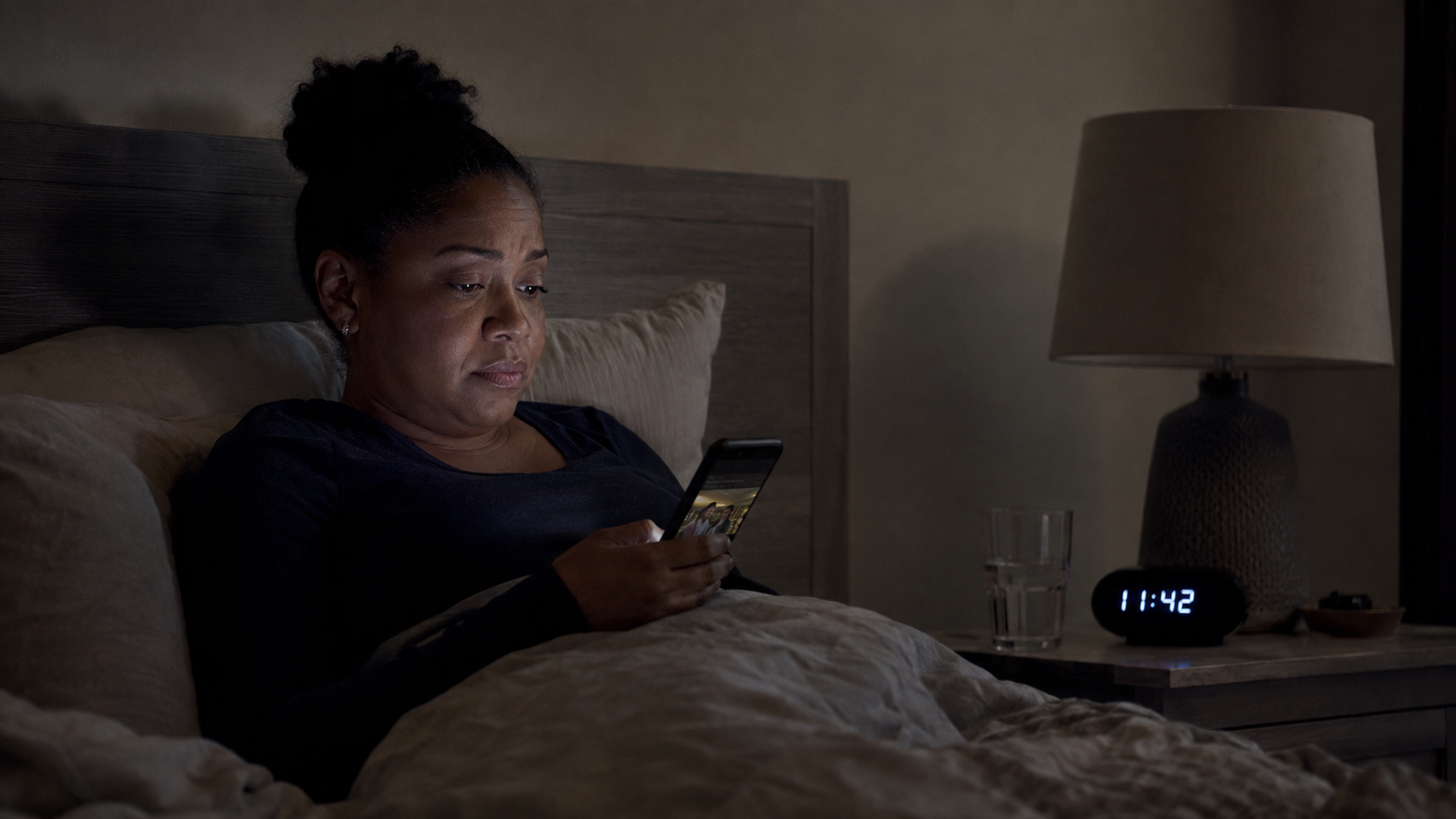
It's eleven forty on a Tuesday and a woman who hasn't spoken to her mother in two years is on her profile, looking at pictures of a cookout she wasn't invited to. She feels bad about it right away, and then she lies there working out what it means about her that she looked. It doesn't mean what she thinks it means.
No Contact Is Not the End of the Work
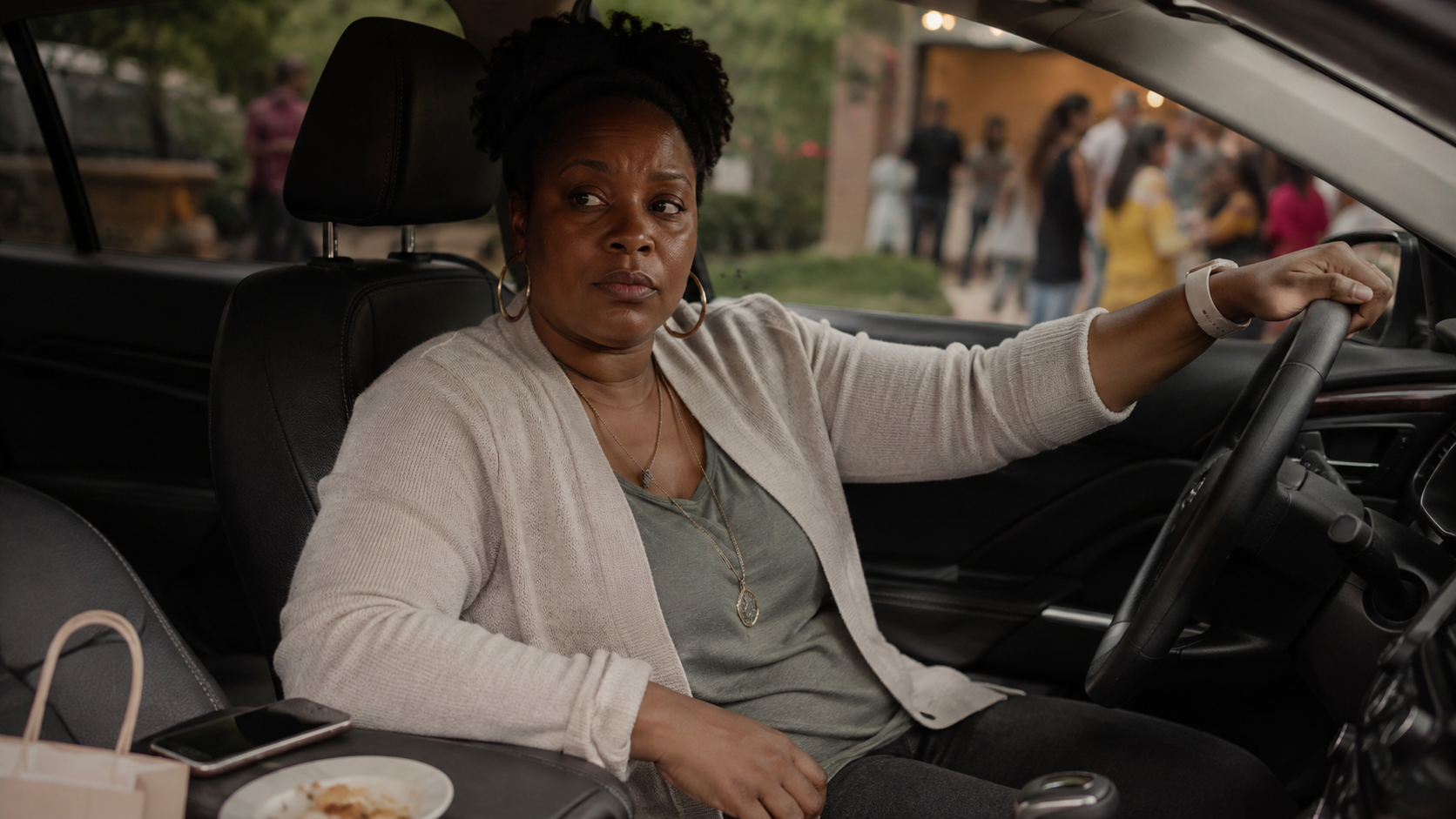
A coworker asks about Thanksgiving and we have the answer ready, we're not really close. That sentence took about two years to build, and after it comes the sorting, the parties we skip, the reasons we invent for skipping them. It's a second round of work on a family we supposedly left, and it doesn't look like anything from outside.

Just So You Know…
There's a call some people make whose only point is to make sure you know that they know. No help attached, no comfort, just the letting-you-know. On the relative who watches everything you do and supports none of it, and what to do once you see what the watching was for.

The One Who Never Raised Her Voice
In a house where one parent screams, everybody knows who the problem is. Your father earned that. Your mother kept her voice even, never swore at you, came in afterward to smooth things over, and she's the one whose words show up in your head thirty years later. On the two kinds of verbal abuse in one household, and why the calm one takes so much longer to name.
What Survives a No
There's the call where someone asks how you're doing, and the other one, the one that only comes when something needs fixing. If you get a lot more of the second kind, this is about the boundary that finally tells you the difference.

Why the Good Ones Feel Wrong
Someone treats you with steadiness and respect, and instead of relief you feel bored, or suspicious, or sure there's a catch you haven't found yet. Then someone who runs hot and cold lights you up, because that one feels like home. On what a dysfunctional family teaches you about love, and what it takes to unlearn it.

The Sister Who Stayed
When you go no contact with your mother, the relationship with her is rarely the only one that changes. The sister who used to text every day gets vague. The brother won't get in the middle. You just notice, eventually, that you're on one side of something and she's on the other.

How Do I Know If It's Bad Enough?
How do you know if your childhood was bad enough to count? Emotional neglect rarely leaves proof, and the fact that you're asking is already the answer.

Why You Say Yes When You Mean No
Most people decide and then answer. Some of us answer and then find out what we decided.

Who Gets to Be the Injured One
Ask an estranged mother what happened and she'll tell you what she gave up. Ask her daughter and she'll tell you what she went without. Both are describing the same family accurately, and neither one recognizes the other's description of it.

Why You Keep Meeting the Same Person
"You attract these people." People say it like it's an insight. Most of the time it's just blame aimed at the wrong person.

What Do You Say About a Mother You Don't Speak To?
You don't owe everyone the same version. How estranged daughters handle the "what do I say about my mother" question at work, in love, and with their kids.

When Your Adult Child Stops Telling You Things
Adult children don’t always stop sharing because they don’t care. Sometimes they stop because every update feels like it has to survive judgment, correction, or concern disguised as control.
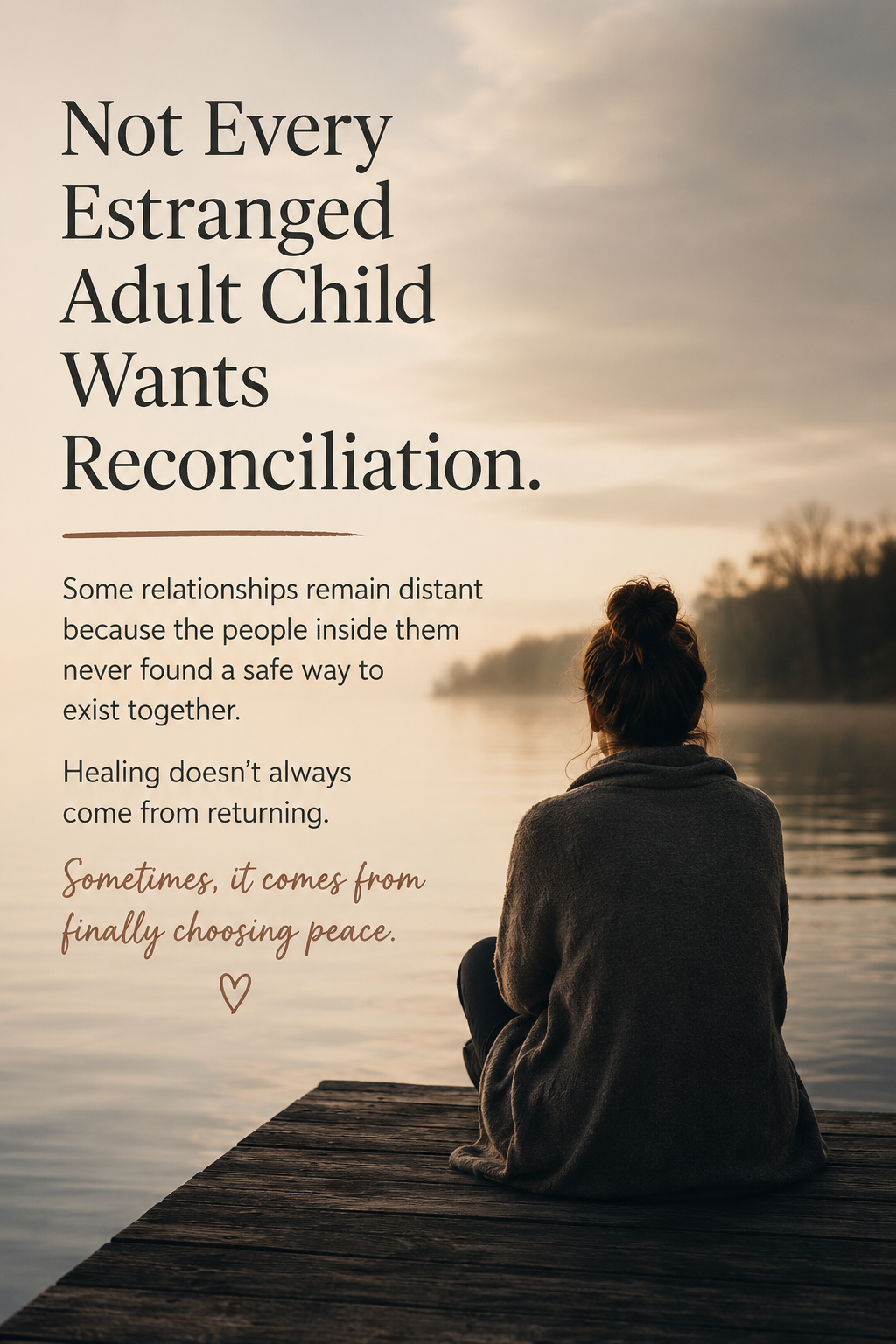
Not Everyone Wants to Reconcile
Not every estranged adult child wants reconciliation, and that reality is often far more complex than people realize. This post explores the emotional weight of estrangement, the difference between reconnection and repair, and why some adult children choose peace over returning to unhealthy family dynamics.

Why Friendships Feel Different After 30, Especially When You’re Estranged
Friendship after estrangement requires a different kind of person. Not a perfect one, not somebody constantly available who says the right thing every time. Just somebody who can hear the truth without immediately trying to turn it into a lesson, a reunion, or a prayer request. A friendship like that is different from just having people around.

Nobody Looked at Her When She Said it
Estrangement is often the result of long-term emotional strain, not a sudden decision. This post explores how creating distance can bring clarity, relief, and a renewed sense of self for many adult children.

Why People Get Weird When You Say You’re Estranged
When others learn you’re estranged from family, their reactions can range from awkward silence to unsolicited advice. This post explores the assumptions people make about estrangement and how to protect your voice in conversations that often miss the truth.
Thoughts on estrangement, relationships, and emotional survival.
Join the newsletter for updates and new posts.