
The Mother Who Might Go First
If your estranged daughter goes first, you might not find out for weeks, and if you go first, she might not come to the funeral. Before either happens there’s a will to sort out and a letter you might be tempted to write, and the letter only helps if it’s about her.

When Your Daughter Calls You a Narcissist
A mother who hears that her daughter has called her a narcissist can find plenty of reasons the label is wrong, and she might be right about the label. Her daughter's decision rests on specific complaints, and those are what a mother can respond to.

The Will, the Money, and the Phone Call That Comes Anyway
Estrangement stays a private matter for a while, and then money brings other people into it, at points anyone could predict, when somebody gets sick, when somebody dies, when a form needs a signature. Relatives raise the will first and they raise it with everybody, a mother hears that changing it will send a message, a daughter hears what her mother has done at a funeral or through an aunt, and neither piece of advice comes with the part where a document produces a conversation, because it doesn't.

They'll Tell You She Got It From the Internet
Your sister sends you the article, the one explaining that estrangement is up because young people are on their phones learning words like narcissist and boundaries and toxic, and it's the first thing anyone has handed you in three years that doesn't seem to think you're the problem. That relief is the reason to be careful with it, because an explanation that puts the cause of this outside your house is going to feel better than any other explanation available, and feeling better is not the same as getting your daughter back.

Who Gets to Be the Injured One
Ask an estranged mother what happened and she'll tell you what she gave up. Ask her daughter and she'll tell you what she went without. Both are describing the same family accurately, and neither one recognizes the other's description of it.

When Your Adult Child Stops Telling You Things
Adult children don’t always stop sharing because they don’t care. Sometimes they stop because every update feels like it has to survive judgment, correction, or concern disguised as control.
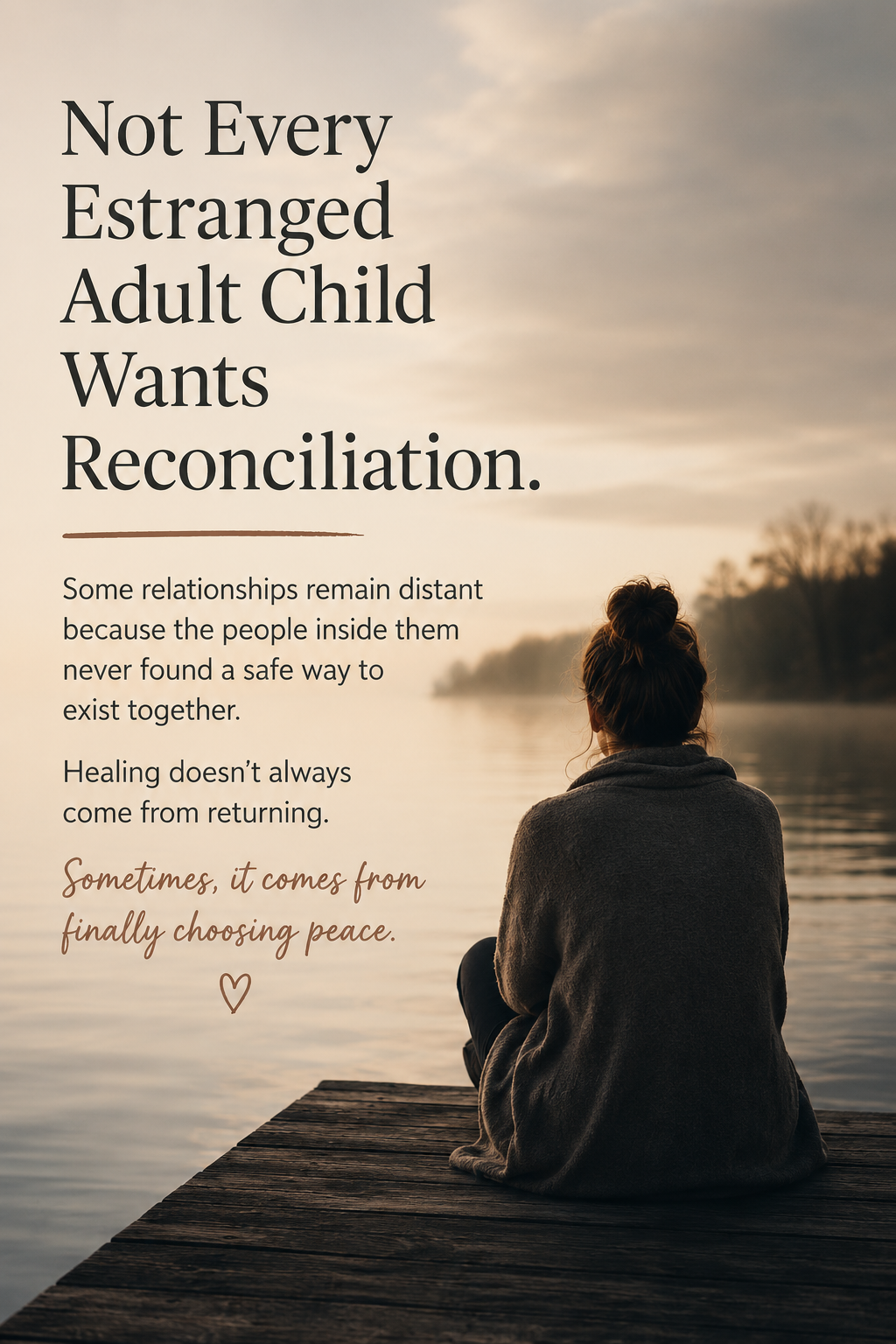
Not Everyone Wants to Reconcile
Not every estranged adult child wants reconciliation, and that reality is often far more complex than people realize. This post explores the emotional weight of estrangement, the difference between reconnection and repair, and why some adult children choose peace over returning to unhealthy family dynamics.

When Parents and Adult Children Remember the Estrangement Differently
Parents and adult children often hold very different memories of what led to estrangement. This reflection explores why those stories rarely match and how understanding both can bring clarity.

Why “I Thought We Were Close” Doesn’t Explain Estrangement
Childhood neglect doesn’t leave bruises—it leaves distance. Many parents don’t realize how emotional absence shapes their adult child’s silence years later. This post explores what neglect really looks like, why it’s so easy to overlook, and how acknowledgment—not guilt—is the first step toward rebuilding connection.
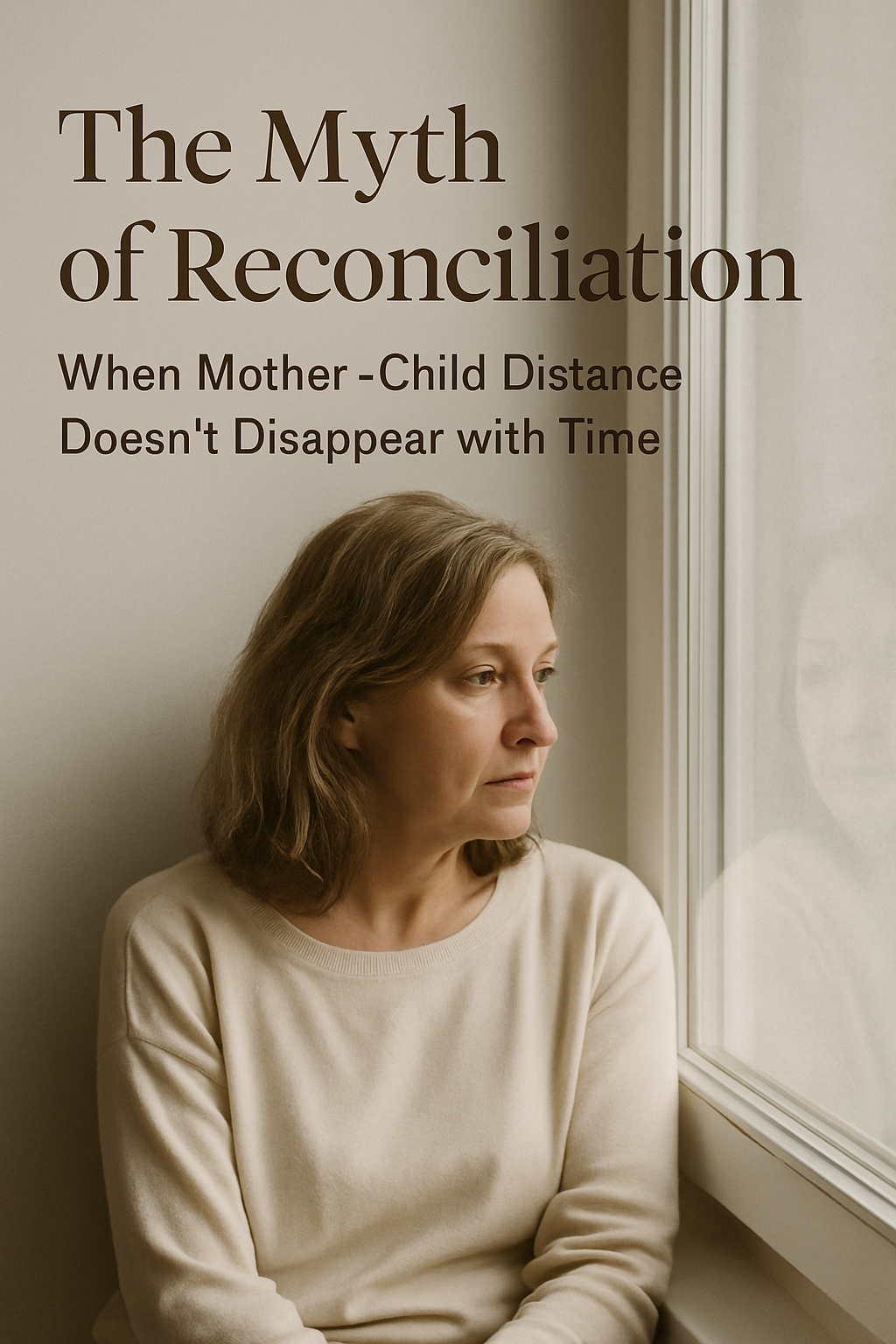
The Myth of Reconciliation: Why Some Mother–Adult Child Estrangements Never Change
Time and life events rarely repair the distance between a mother and her adult child. This piece explores why most estrangements remain unchanged and how quiet acceptance can lead to clarity, even without reconciliation.
Thoughts on estrangement, relationships, and emotional survival.
Join the newsletter for updates and new posts.