
When Your Daughter Calls You a Narcissist
A mother who hears that her daughter has called her a narcissist can find plenty of reasons the label is wrong, and she might be right about the label. Her daughter's decision rests on specific complaints, and those are what a mother can respond to.

The Word the Internet Gave You for Your Mother
A daughter goes looking for why her mother behaves the way she does, and inside an hour she has a word for it, and the word covers all of it. What she watched is hers to report. What's wrong with her mother is the part she can't get to, and the difference decides how the rest of the family talks about her.

Abuse Doesn't Require Violence to Be Abuse
A relationship can be abusive without a single incident in it, and that's part of why it takes so long to name. Every example sounds small on its own, the eleven phone calls, the twelve dollars you had to explain, so you stop trying to explain it to anyone.
The One Who Never Raised Her Voice
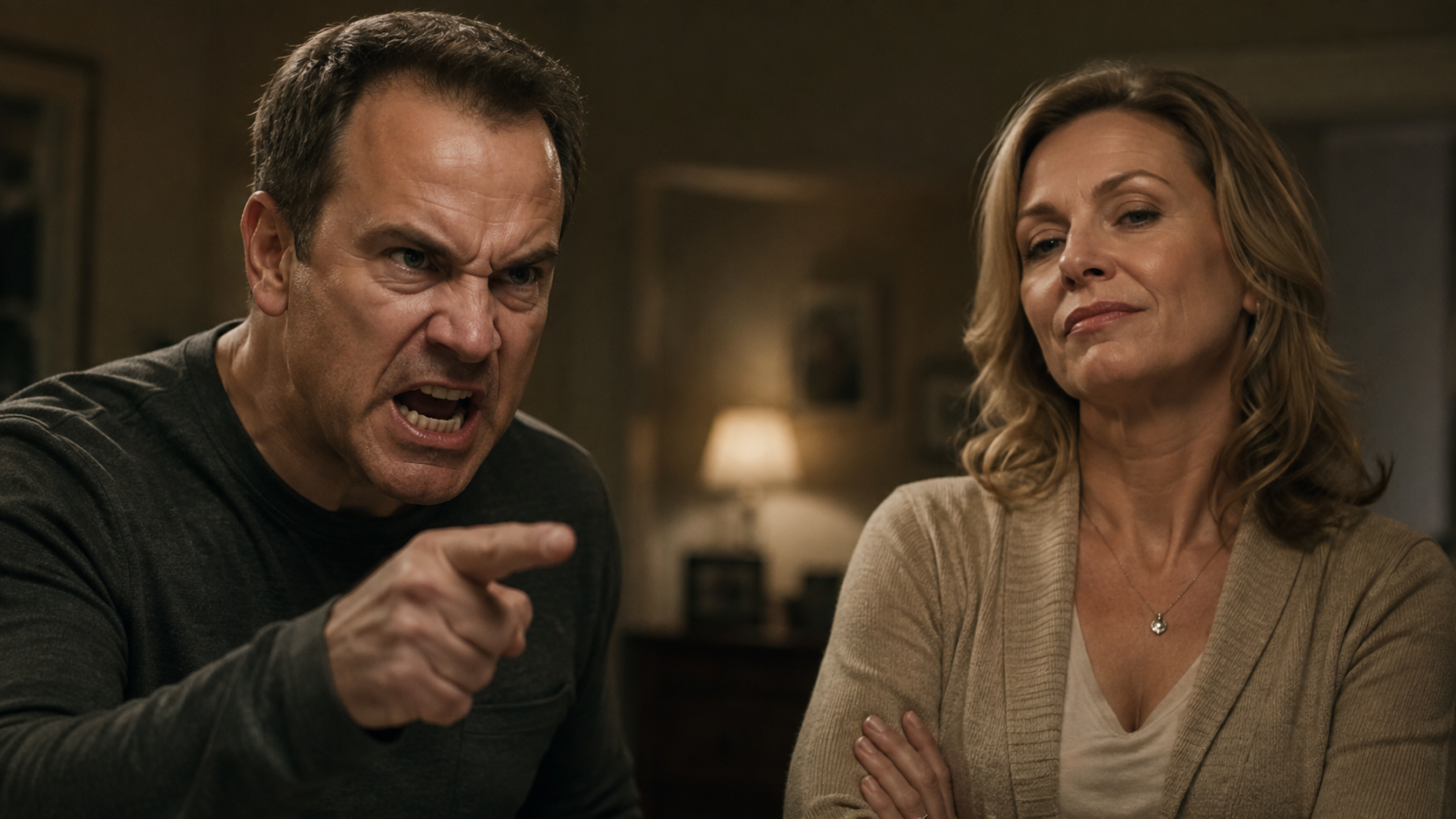
In a house where one parent screams, everybody knows who the problem is. Your father earned that. Your mother kept her voice even, never swore at you, came in afterward to smooth things over, and she's the one whose words show up in your head thirty years later. On the two kinds of verbal abuse in one household, and why the calm one takes so much longer to name.

How Do I Know If It's Bad Enough?
How do you know if your childhood was bad enough to count? Emotional neglect rarely leaves proof, and the fact that you're asking is already the answer.

Why “I Thought We Were Close” Doesn’t Explain Estrangement
Childhood neglect doesn’t leave bruises—it leaves distance. Many parents don’t realize how emotional absence shapes their adult child’s silence years later. This post explores what neglect really looks like, why it’s so easy to overlook, and how acknowledgment—not guilt—is the first step toward rebuilding connection.
Thoughts on estrangement, relationships, and emotional survival.
Join the newsletter for updates and new posts.